Graphic Design
Associate in Applied Science (A.A.S.)
Create visually appealing designs that convey meaningful messages to target audiences. In this profession, you get paid for sharing your artistic talent and vision with the world. Gain experience with professional design tools while preparing for a wide variety of careers.
Career Outlook: Marketing and Graphic Design
A graphic designer's ability to inspire action through well-crafted messaging is essential to all industries. You'll find careers in advertising, communications, public relations, and other design service businesses. Graphic designers also pursue nonprofit work and self-employment — resulting in diverse career options, including freelance opportunities. The average salary for graphic designers was $50,710 in 2021.
A.A.S. Program Overview
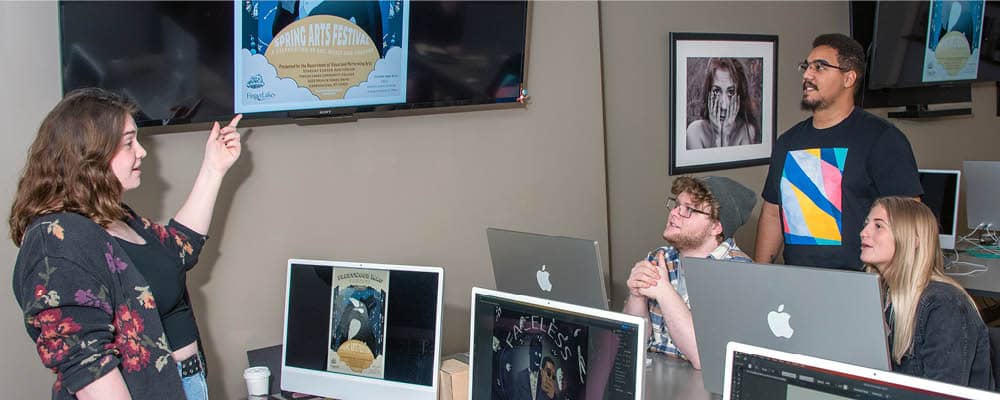
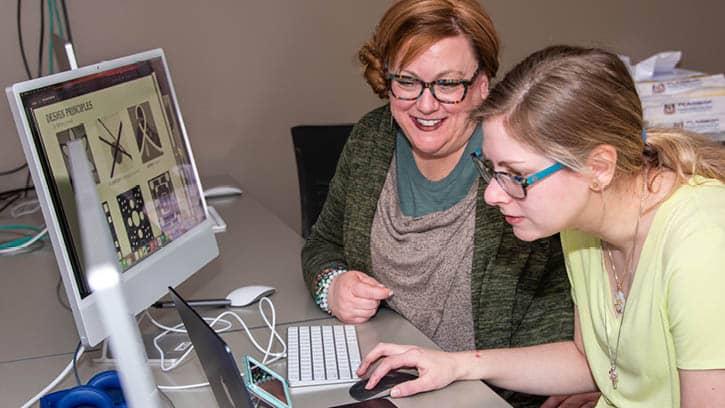
Strengthen your artistic skills, learn to work with clients, and gain experience with graphic design software and technology. You'll learn about design principles — such as color, balance, and unity — then put these concepts to work using Adobe Creative Suite. Work with experienced art directors and team up with other designers to complete projects just as you will in the workplace.
Our capstone course guides you through the process of building a professional portfolio of creative work, so you'll graduate from the program with the materials you need to enter the job market.
Learn from Experienced Artists and Designers
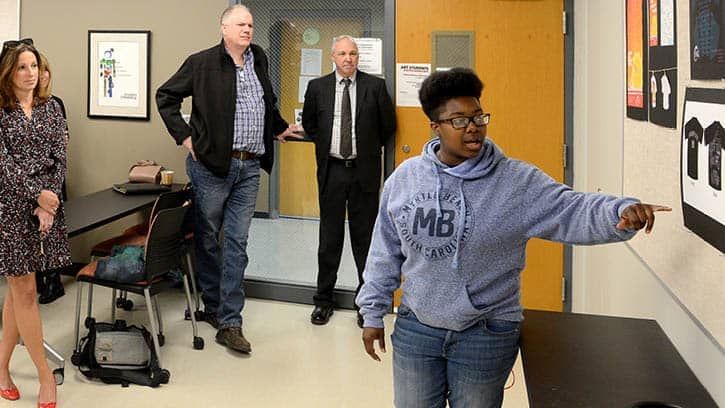
Visit local design firms, print shops, art galleries, and museums through a series of class field trips. Learn about current trends in art and design from regional experts who work in the industry. Our network of local business partnerships provides internship opportunities at live events venues (CMAC), media companies (News 8 WROC), marketing agencies (Dixon Schwabl), and more.
Professional Art and Design Facilities
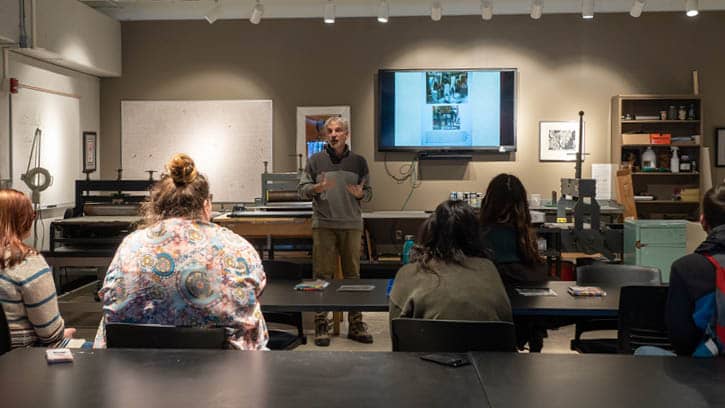
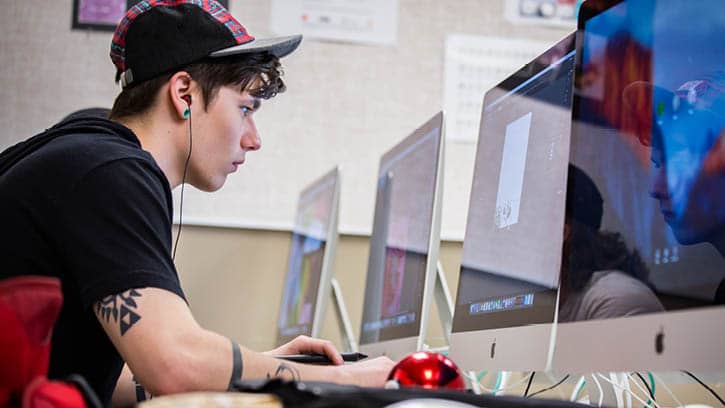
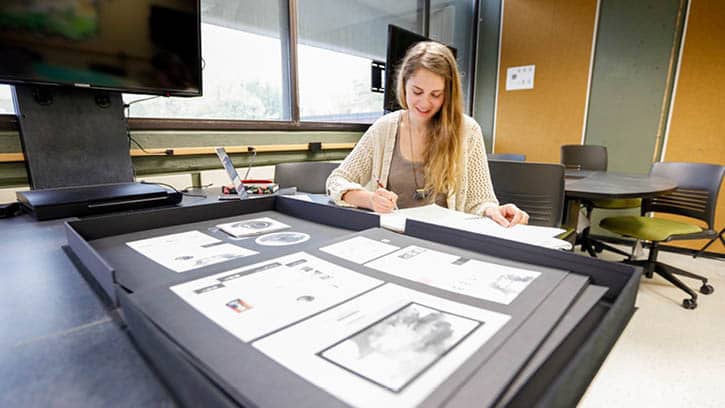
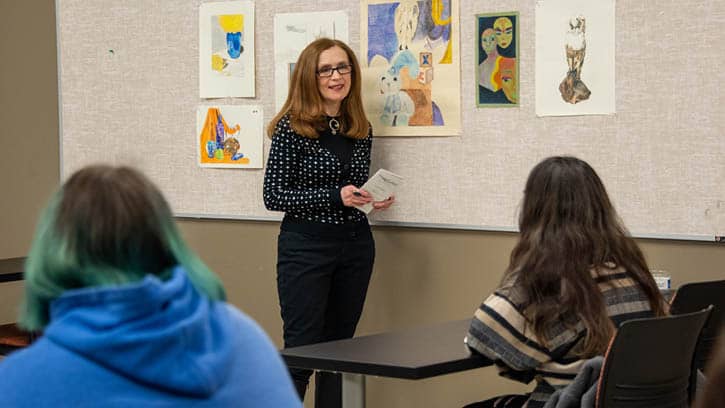
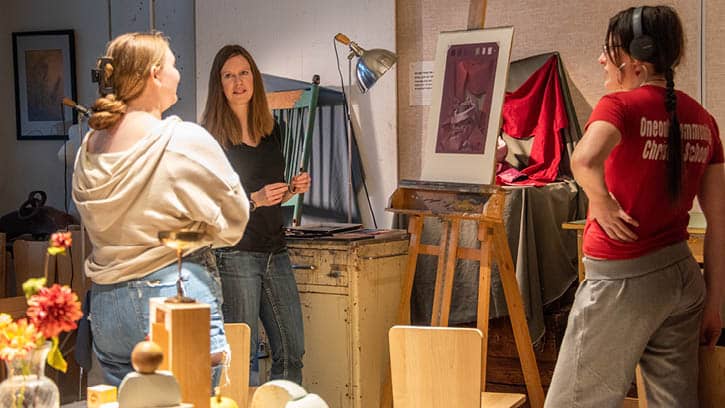
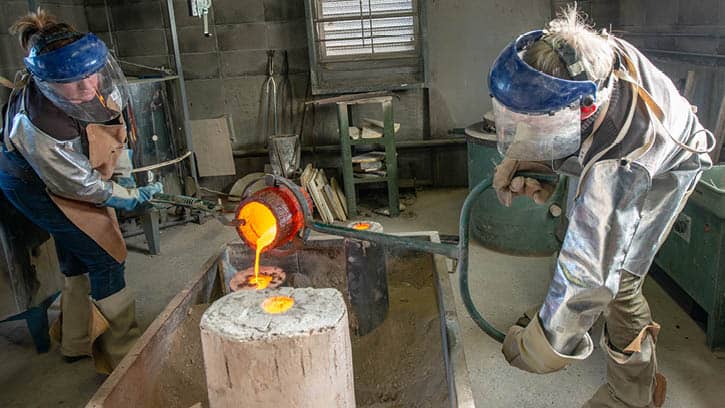
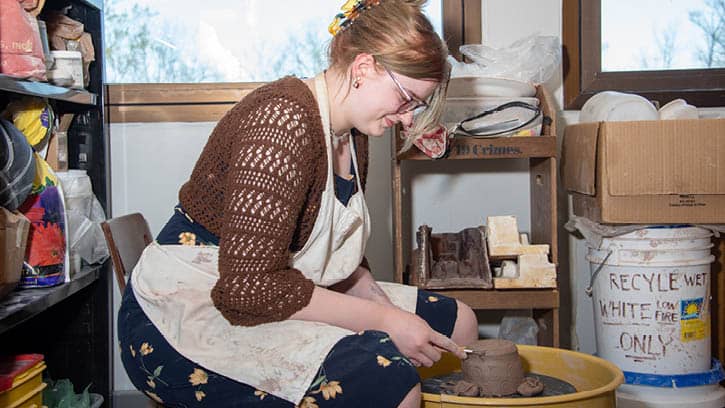
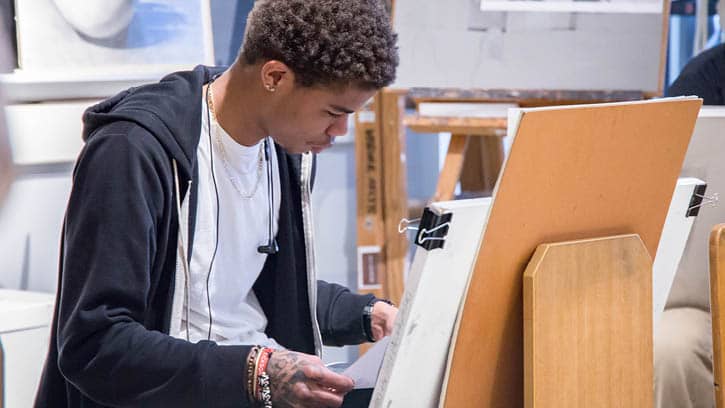
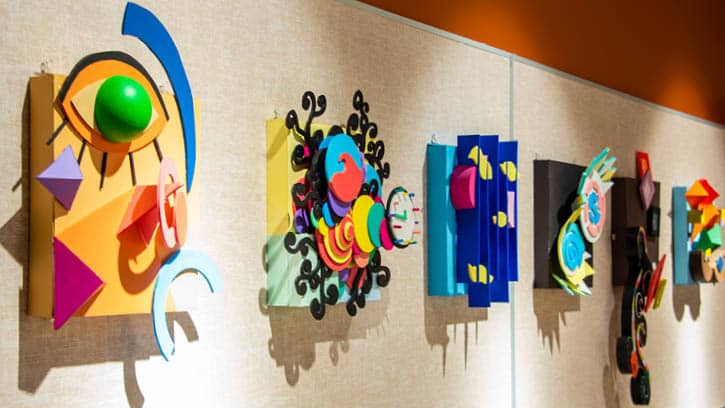
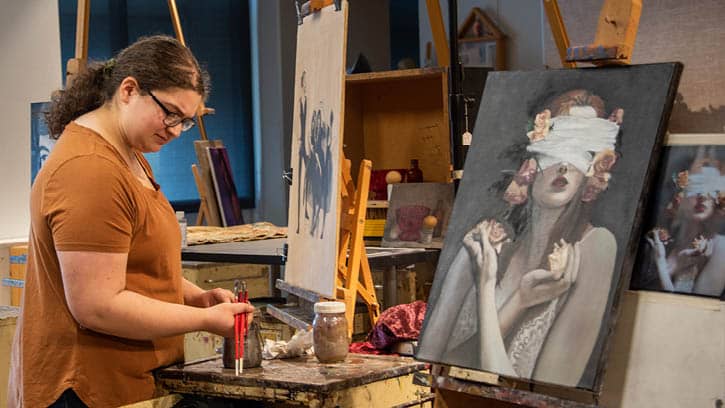
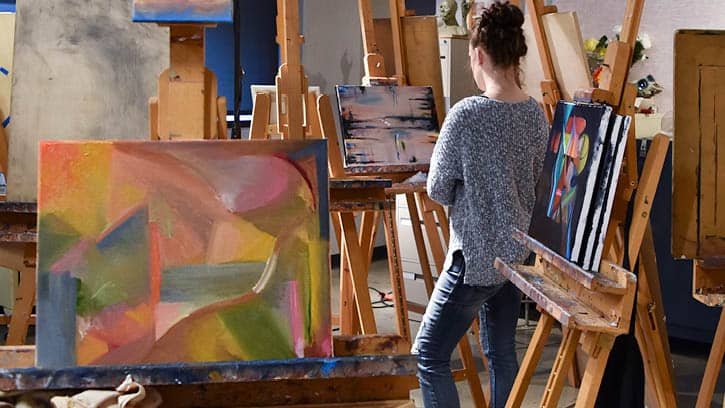
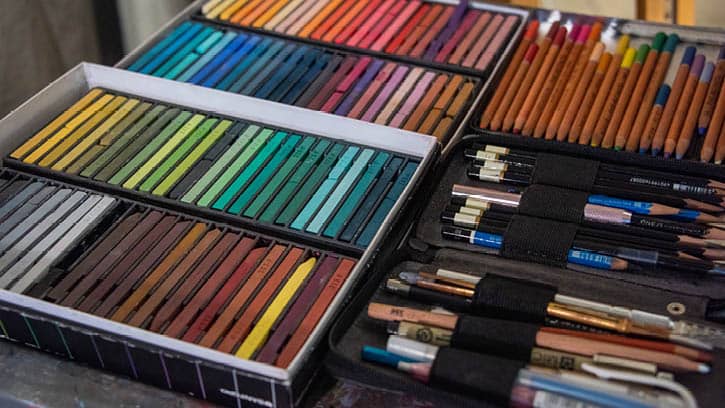
We have the studio space and equipment you need to become a well-rounded designer. Practice your professional skills in our Mac lab, photo studio, 3D printing station, and fine art studios.
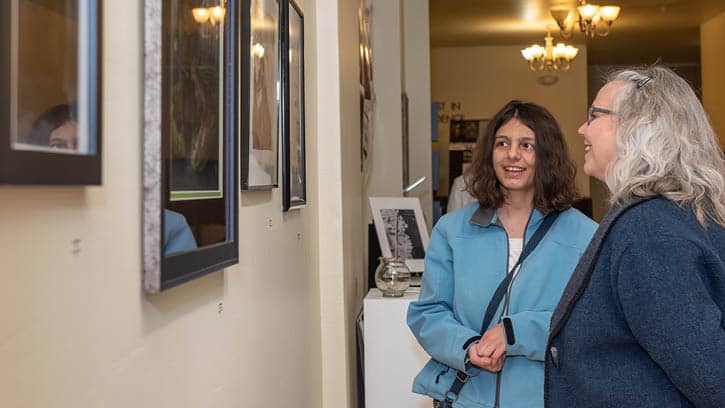
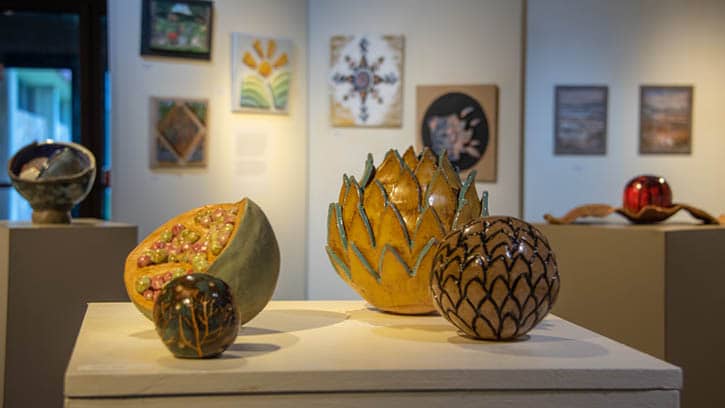
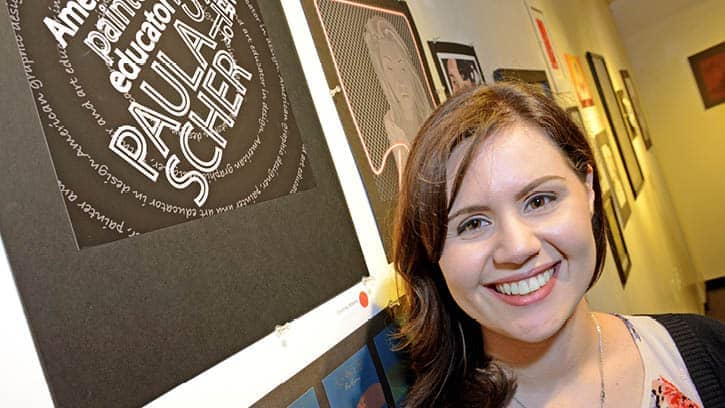
Attend artist talks, workshops, and community programs at our two public art galleries — Williams-Insalaco Gallery34 and ArtSpace36.
FLCC Art Studios, Galleries, and Labs
Our Graphic Design Program is Available 100% Online
In addition to completing this degree in-person, our entire Graphic Design program is available online. Study on your time and from a location that fits your busy schedule. Online learning provides a convenient and flexible way to earn an education. Learn more about FLCC online learning.
Student Collaboration and Community
Fine arts and graphic design students share many core courses at FLCC — so you'll be part of a talented and diverse community of artists. You'll have many opportunities to connect with peers and work on projects together, including:
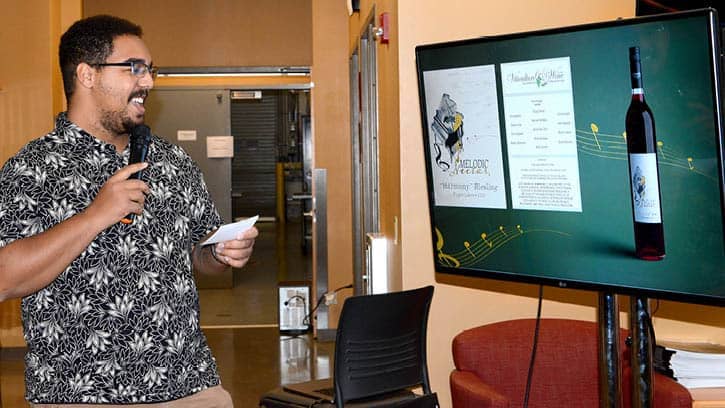
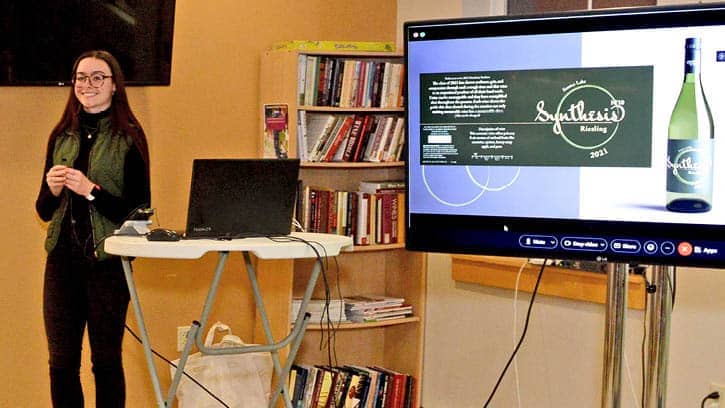
- Wine label design competition — our viticulture students partner with graphic design students to create an original label for their wine bottles. The winner receives a $500 scholarship and the honor of having their label used on commercial wine bottles.
- Student Art Club — participate in gallery openings, guest lecture events, and student trips.
- CMAC summer concert series competition — create a poster and t-shirt for this annual music event. The winner gains recognition as CMAC uses the design throughout the season to promote the concert series.
- Create + Connect — a twice monthly public event focused on creating art in an informal environment while connecting with others.
- Letters & Lattes — a public arts event for anyone ages 15-21 to connect with peers and explore your creativity in a safe space.

"In addition to learning Illustrator, Photoshop, and other graphic design apps, we were taught how to communicate with customers — how to talk about the product and how to take feedback from the client. At my job interview, I showed them my portfolio that I made while at FLCC and explained why I made the designs I did, including those I created for the wine label competition and the summer concert series competition. And then I got the job!"
— Savannah Vancise '22
A.A.S. Program Outcomes
Program Learning Outcomes
Upon completion of this degree program, students will be able to:
- Communicate visually using traditional and digital media.
- Explore the execution of ideas from concept through to production, documenting with intentionality.
- Constructively give and receive feedback as it pertains to successful creation of works of visual communication.
- Model competency in craftsmanship, presentation, quality of rendering and the development (refinement) of a unique portfolio of work.
Career Pathways
After graduating, you'll be ready for entry-level positions at advertising agencies, marketing firms, print shops, and other businesses in need of graphic designers. Previous graduates have secured employment with well-known companies such as Constellation Brands, Mackenzie Childs, and Partners and Napier.
Some career opportunities include:
- Advertising Design
- Brand Identity Specialist
- Graphic Designer
- Illustrator
- Photographer
- Web Designer
Seamless Transfer Opportunities
Our graphic design program is an excellent first step toward earning a four-year degree. Previous graduates have continued their art and design education at a variety of regional colleges and universities, including:
- Fashion Institute of Technology
- Nazareth College
- Rhode Island School of Design
- Rochester Institution of Technology
- Savannah College of Art and Design
- SUNY Brockport
- SUNY New Paltz
- SUNY Oswego
Low-Cost Tuition and Scholarship Opportunities
Earn a quality education at an affordable rate. With our low cost-per-credit and general scholarship opportunities, you can maximize your potential with minimal debt. 80% of students are awarded scholarships or financial aid that help with the cost of college.
As a Fine Arts student, you may also be eligible to apply for program specific scholarships, including:
- Dr. Henry Buxbaum Memorial Award for Achievement and Promise in Fine Arts
- Dr. Charles J. Meder Scholarship for the Arts
- Wine label design competition scholarship sponsored by Niagara Label
Faculty
The faculty in our Graphic Design program bring a well-rounded artistic background to FLCC. Each faculty member is a working artist in their various disciplines. Combined, they bring experience in painting, sculpting, ceramics, printmaking, photography, woodworking, and graphic design to the classroom. Our professors have had their artwork exhibited in New York, San Francisco, and Australia.
Program Details

Explore Your Career Options
Map out a path toward your future career, and discover opportunities related to this area of study.
Calling visual artists, performers, and makers of one-of-a-kind items! Get your work on ArtSpace36's walls and in our shop, and connect with a community of like-minded artists from FLCC and beyond!